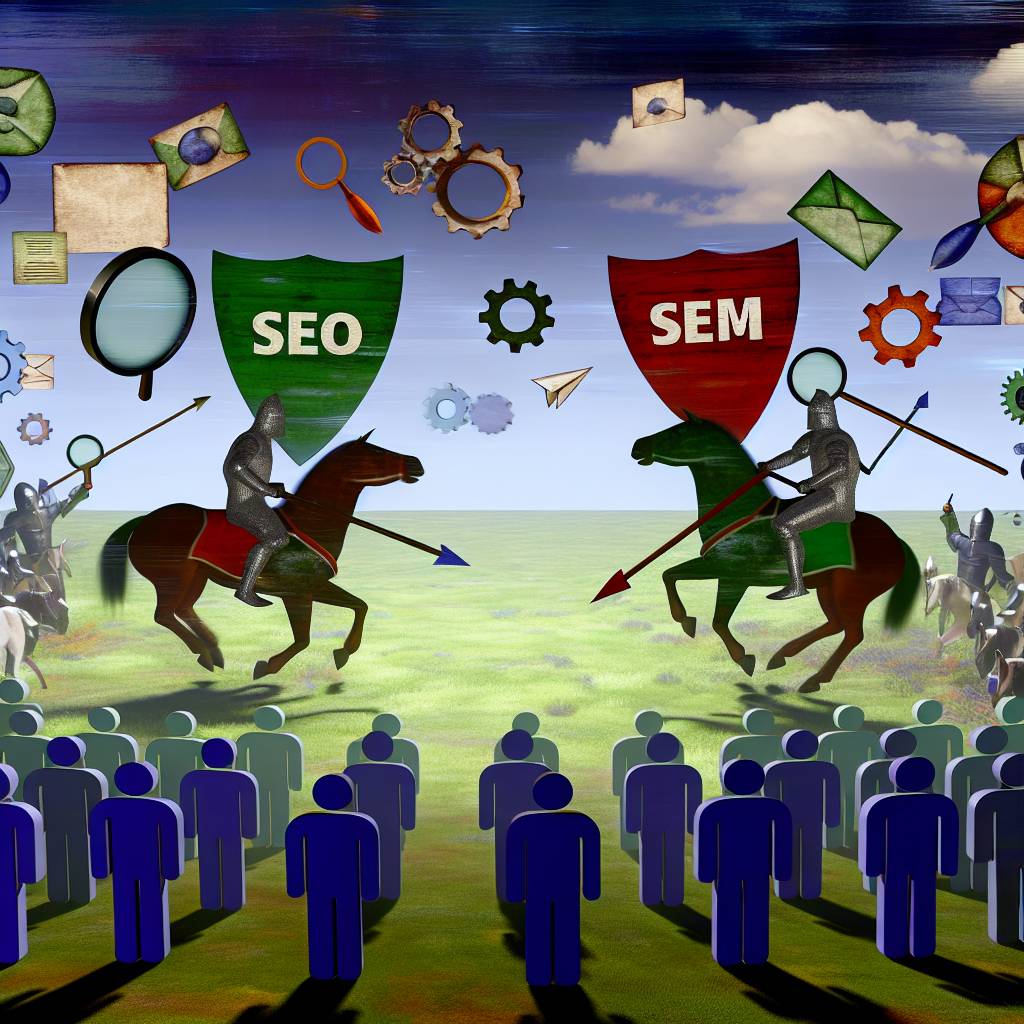
In the ever-evolving landscape of digital marketing, understanding the distinction between SEO (Search Engine Optimization) and SEM (Search Engine Marketing) is crucial for businesses aiming to enhance their online presence. Both strategies serve as powerful tools to drive traffic and increase visibility, yet they operate in distinctly different ways. In this blog, we will delve into the core differences between SEO and SEM, providing you with the insights needed to make informed decisions that align with your business goals. Whether you are looking to refine your online strategy, choose the right marketing path, or unlock the secrets to maximizing your digital impact, this comprehensive guide will equip you with the knowledge to navigate the digital arena effectively. Join us as we explore the roles, benefits, and potential of SEO and SEM, and discover which approach can propel your website to new heights.
1. SEO vs. SEM: Unravel the Key Differences to Boost Your Online Strategy
In the digital marketing realm, two powerful strategies often dominate discussions: Search Engine Optimization (SEO) and Search Engine Marketing (SEM). Both are essential for driving traffic to your website, but they serve distinct purposes and require different approaches. Understanding the key differences between SEO and SEM can be the linchpin in crafting a successful online strategy that maximizes your reach and impact.
SEO is the art and science of enhancing the visibility of your website in organic search engine results. It involves optimizing your content, structure, and technical components to rank higher on search engines like Google. This process can be time-consuming but offers long-term, sustainable results. By focusing on relevant keywords, high-quality content, and user experience, SEO helps build credibility and trust with your audience.
On the other hand, SEM encompasses paid advertising strategies, most commonly through pay-per-click (PPC) campaigns. With SEM, you can gain immediate visibility by bidding on targeted keywords and displaying ads in search engine results pages. This approach offers quick returns and precise targeting, allowing you to reach potential customers at the exact moment they’re searching for products or services like yours.
While SEO and SEM can work independently, integrating them can create a synergistic effect that amplifies your online presence. For example, using insights from SEM campaigns can inform your SEO strategy by identifying high-converting keywords, while strong SEO foundations can lower your SEM costs by improving your quality score.
Ultimately, the choice between focusing on SEO or SEM—or a combination of both—depends on your business goals, industry competition, and available resources. By mastering the differences and leveraging the unique strengths of each, you can strategically position your brand for digital success.
2. Mastering SEO and SEM: A Comprehensive Guide to Choosing the Right Path for Your Business
In the ever-evolving digital landscape, businesses are continuously seeking effective strategies to increase their online presence and attract more customers. Two of the most powerful tools at their disposal are Search Engine Optimization (SEO) and Search Engine Marketing (SEM). Understanding the nuances between these two can significantly impact your marketing strategy and, ultimately, your business’s success.
SEO is the art and science of optimizing your website to rank higher in organic search engine results. It involves a variety of techniques, including keyword research, on-page optimization, content creation, and backlink building. The focus is on earning traffic naturally over time, which can lead to sustainable, long-term growth. SEO is particularly beneficial for businesses looking to build authority and trust with their audience, as high organic rankings are often perceived as more credible by users.
On the other hand, SEM encompasses paid search strategies, where businesses pay for advertisements to appear on search engine results pages (SERPs). This includes pay-per-click (PPC) advertising, where you bid on keywords to have your ads displayed alongside organic results. SEM can deliver immediate visibility and is highly measurable, allowing for precise targeting and quick adjustments. It is an ideal approach for businesses needing fast results or those entering competitive markets.
Choosing between SEO and SEM depends on various factors such as your budget, timeline, and business goals. If you are looking for a cost-effective strategy with long-term benefits, SEO might be the right choice. Conversely, if you need instant visibility and have the budget to support it, SEM can provide a quick return on investment.
Ultimately, the most effective approach might be a combination of both SEO and SEM. By leveraging the strengths of each, you can maximize your online presence, driving both immediate and sustained traffic to your site. Understanding and mastering these tools is crucial for any business aiming to thrive in the digital age.
3. SEO vs. SEM: Which Digital Marketing Tool Will Drive More Traffic to Your Website?
In the ever-evolving landscape of digital marketing, businesses are constantly seeking effective strategies to increase website traffic and maximize online visibility. Two of the most prominent tools in this realm are Search Engine Optimization (SEO) and Search Engine Marketing (SEM). While they may appear similar at first glance, understanding the nuances between them can significantly impact your marketing efforts.
SEO focuses on optimizing your website’s content and structure to improve organic search rankings. By targeting relevant keywords, enhancing meta descriptions, and ensuring a user-friendly experience, SEO aims to attract visitors naturally over time. It’s a long-term strategy that builds credibility and trust with both search engines and users. However, it requires patience and consistent effort, as results may take months to materialize.
On the other hand, SEM involves paid advertising strategies, such as pay-per-click (PPC) campaigns, to gain immediate visibility on search engine results pages. This approach is ideal for businesses looking for quick results and willing to invest in advertising budgets. SEM allows for precise audience targeting and measurable outcomes, making it a powerful option for driving traffic during specific campaigns or promotions.
The choice between SEO and SEM ultimately depends on your business goals, budget, and timeline. If you’re aiming for sustainable growth and have the resources to invest in long-term strategies, SEO could be your best bet. Conversely, if immediate traffic spikes and measurable returns are your priority, SEM might be the more suitable choice.
In conclusion, both SEO and SEM offer unique advantages that can complement each other when strategically combined. A balanced approach, leveraging the strengths of both tools, can help you achieve a comprehensive digital marketing strategy that drives substantial traffic to your website. Understanding the differences and benefits of each will empower you to make informed decisions that align with your business objectives.
4. Unlocking the Secrets of SEO and SEM: How to Maximize Your Online Presence
In today’s digital marketplace, understanding the difference between SEO (Search Engine Optimization) and SEM (Search Engine Marketing) is crucial for any business looking to enhance its online presence. These two strategies, while interconnected, offer distinct pathways to drive traffic and gain visibility on search engines. Unlocking their secrets can significantly impact your marketing success.
SEO is all about optimizing your website to rank higher in organic search results. It involves keyword research, content creation, on-page and off-page tactics, and continuous monitoring of performance through analytics. Effective SEO ensures that your site is both user-friendly and search engine-friendly, which in turn improves its visibility and relevance in search results.
SEM, on the other hand, is a broader term that encompasses SEO but also includes paid strategies like Pay-Per-Click (PPC) advertising. With SEM, you can target your audience more precisely and see quicker results through sponsored listings. Platforms like Google Ads allow businesses to bid on keywords, ensuring their ads appear prominently when users search for related terms. This can lead to increased website traffic and conversions.
To maximize your online presence, it’s essential to strike a balance between SEO and SEM. Start with a solid SEO foundation to build long-term organic traffic, then integrate SEM campaigns to reach immediate goals and target specific audiences. Regularly analyze the performance of both strategies, adjusting your approach based on data insights to optimize effectiveness.
By understanding and leveraging the unique strengths of SEO and SEM, businesses can create a robust online strategy that not only attracts more visitors but also converts them into loyal customers. This comprehensive approach ensures sustainability and growth in an increasingly competitive digital landscape.
5. SEO or SEM? Deciphering Their Roles and Benefits for Ultimate Marketing Success
In the digital marketing landscape, deciding between SEO (Search Engine Optimization) and SEM (Search Engine Marketing) can seem daunting. Both are crucial for driving traffic and enhancing online visibility, but understanding their distinct roles and benefits can lead to ultimate marketing success. SEO focuses on optimizing your website to rank higher organically in search engine results, which is a long-term strategy that builds authority and trust over time. It’s about creating quality content, optimizing keywords, and ensuring technical excellence on your site. This organic approach often results in sustainable traffic and can be cost-effective in the long run.
On the other hand, SEM involves paid strategies to increase visibility on search engines. This includes pay-per-click (PPC) advertising, which allows for immediate results and targeted campaigns. SEM is highly customizable, enabling precise audience targeting, which can be beneficial for businesses looking to achieve quick wins or promote time-sensitive offers. The choice between SEO and SEM should align with your business goals, budget, and timeline. For instance, if you are launching a new product and need instant visibility, SEM might be the way to go. Conversely, if you’re looking to build a strong brand presence over time, investing in SEO could be more advantageous.
Ultimately, the most effective approach often involves a combination of both SEO and SEM. By leveraging the strengths of each, businesses can achieve a balanced marketing strategy that not only maximizes reach but also builds lasting relationships with their audience. Understanding how to integrate these strategies effectively is key to staying ahead in the competitive digital marketplace.
0件のコメント