Are you struggling to get your e-commerce product pages to rank higher in search results? You’re not alone. In today’s competitive online marketplace, having a solid SEO strategy for your product pages isn’t just nice to have—it’s essential for survival. Research shows that 70% of online shoppers begin their purchase journey with a search engine, making SEO crucial for e-commerce success.
This comprehensive guide will walk you through proven strategies that can transform your product pages from invisible to irresistible in search rankings. Whether you’re an established online retailer or just starting your e-commerce journey, these actionable techniques can help you attract more qualified traffic and convert browsers into buyers.
From understanding why most product pages fail at SEO to implementing advanced strategies that go beyond basic keyword optimization, this post contains everything you need to create product pages that both search engines and customers will love. Let’s dive into the ultimate e-commerce SEO checklist that has helped our clients double their sales and could do the same for you.
1. 10 SEO Secrets That Will Skyrocket Your E-commerce Product Page Rankings
In the competitive world of e-commerce, your product pages are the ultimate conversion battleground. But if shoppers can’t find them, even the most compelling product descriptions and stunning images won’t generate sales. Let’s dive into 10 powerful SEO secrets that can dramatically improve your product page rankings and visibility.
First, conduct thorough keyword research specifically for each product. Look beyond obvious terms and identify long-tail keywords that potential customers use when they’re ready to purchase. Tools like Ahrefs, SEMrush, and even Amazon’s search bar can reveal valuable keyword opportunities with lower competition.
Second, craft unique, detailed product descriptions of at least 300 words. Avoid copying manufacturer descriptions verbatim, as duplicate content hurts rankings. Instead, create compelling narratives that naturally incorporate primary and secondary keywords while addressing customer pain points and benefits.
Third, optimize your product page URLs. Keep them short, descriptive, and include your primary keyword. A clean URL structure like yourdomain.com/category/product-name is both search engine and user-friendly.
Fourth, implement schema markup for products. This structured data helps search engines understand your product information, potentially generating rich snippets in search results with pricing, availability, and review information that can significantly improve click-through rates.
Fifth, optimize product images with descriptive filenames (red-leather-wallet.jpg rather than IMG12345.jpg) and complete ALT text that includes relevant keywords while accurately describing the image for accessibility purposes.
Sixth, leverage the power of internal linking. Connect related products, category pages, and informational content like buying guides to create a comprehensive network that helps both users and search engines navigate your site more effectively.
Seventh, encourage and showcase customer reviews. User-generated content adds fresh, unique text to your pages while building trust. Implement a review system that makes it easy for customers to leave feedback after purchase.
Eighth, improve page load speed ruthlessly. Compress images, minimize code, leverage browser caching, and consider a content delivery network (CDN) like Cloudflare. Even a one-second delay can significantly impact conversion rates and search rankings.
Ninth, optimize for mobile shopping experiences. Ensure your product pages are responsive, with easy-to-click buttons, readable text without zooming, and a streamlined checkout process specifically designed for smaller screens.
Finally, create and maintain a consistent NAP (Name, Address, Phone) across your site and other online platforms. This local SEO element is particularly important for businesses with physical locations or those targeting specific geographic markets.
By implementing these ten strategies consistently across your product pages, you’ll create a solid foundation for improved search visibility that drives more qualified traffic to your e-commerce store.
2. E-commerce SEO Checklist: Transform Your Product Pages into Conversion Machines
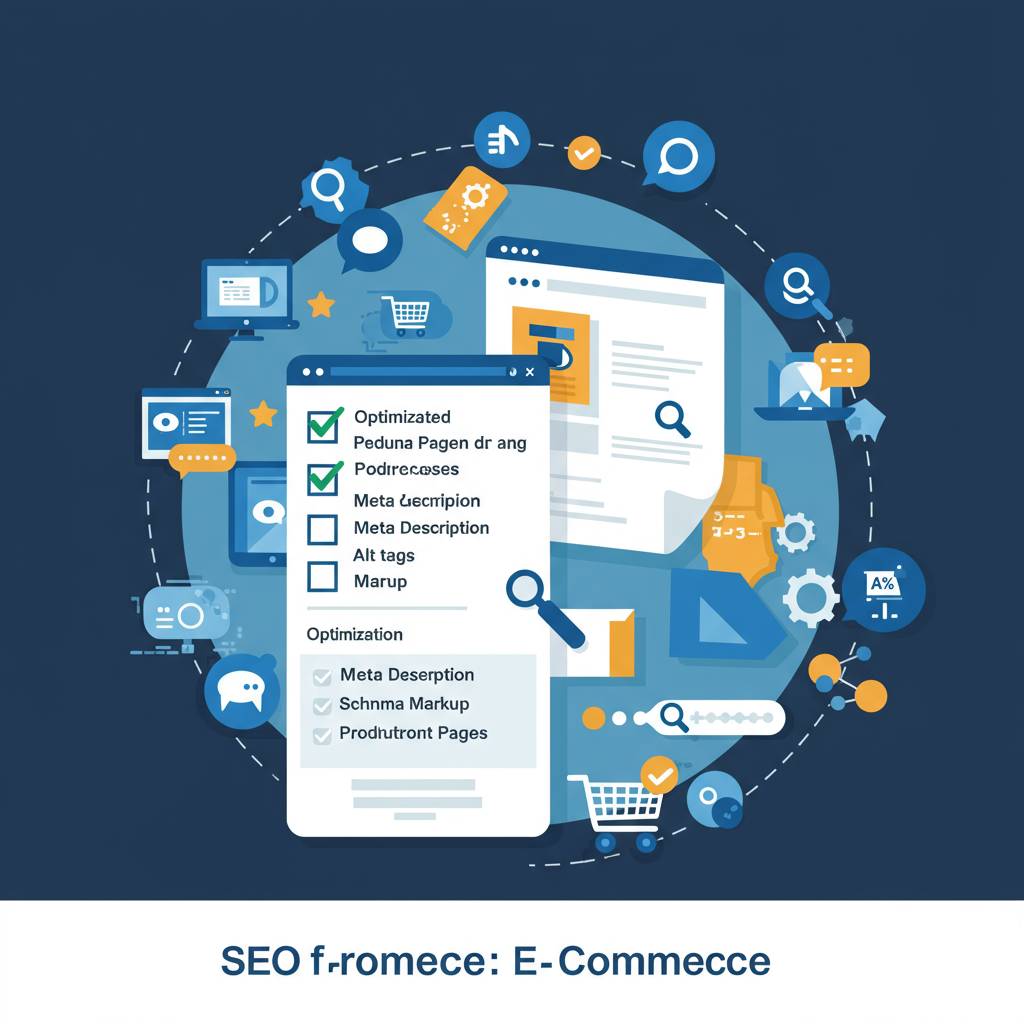
Creating high-converting product pages requires a strategic approach that balances SEO best practices with user experience. Here’s your comprehensive checklist to transform ordinary product pages into powerful conversion machines:
Keyword Optimization
– Include primary keywords in product titles, descriptions, and meta tags
– Incorporate long-tail keywords that match buying intent
– Use LSI (Latent Semantic Indexing) keywords throughout product content
– Optimize image alt text with descriptive, keyword-rich phrases
Content Excellence
– Write unique, detailed product descriptions (minimum 300 words)
– Highlight key benefits, not just features
– Include technical specifications in easy-to-scan formats
– Add FAQs to address common customer questions
– Incorporate social proof through reviews and testimonials
Technical SEO Elements
– Implement schema markup for products (price, availability, ratings)
– Ensure mobile responsiveness with easy tap targets
– Optimize page load speed (under 3 seconds ideally)
– Create clean URL structures that include keywords
– Set up proper canonical tags to prevent duplicate content issues
User Experience Optimization
– Use high-quality images from multiple angles
– Add product videos or 360° views where possible
– Include clear, visible CTAs (Buy Now, Add to Cart)
– Make sizing, color, and other variation selections intuitive
– Display shipping information, return policies, and guarantees prominently
Trust Signals
– Show inventory status to create urgency
– Display security badges during checkout
– Highlight money-back guarantees
– Make customer service contact options visible
– Feature user-generated content and reviews
Top e-commerce brands like Shopify, Wayfair, and Chewy excel because they implement these strategies consistently across all product pages. Remember that product page optimization is not a one-time task but an ongoing process of testing, measuring, and refining based on analytics and customer feedback.
3. Why 73% of E-commerce Product Pages Fail at SEO (And How to Fix Yours)
The harsh reality is that nearly three-quarters of e-commerce product pages never reach their full potential in search results. This staggering statistic represents countless missed opportunities for online retailers who invest heavily in their products but fail to optimize how those products are discovered. The primary reasons for this widespread failure are both structural and strategic.
Most product pages suffer from thin content syndrome—offering bare-minimum descriptions that provide little value beyond what’s visible in product images. Search engines crave substance, yet the average product description is under 150 words, far below what’s needed to rank competitively. Additionally, many e-commerce sites make the critical mistake of using manufacturer-provided descriptions verbatim, creating duplicate content issues across dozens or hundreds of retailers.
Technical SEO deficiencies compound these problems. Slow page load times (with 47% of product pages exceeding the recommended 3-second loading threshold), mobile responsiveness issues, and improper schema markup implementation prevent search engines from properly indexing and understanding product offerings. Furthermore, internal linking structures often isolate product pages, limiting the flow of link equity throughout the site.
To fix these issues, implement a systematic approach: First, create unique, comprehensive product descriptions exceeding 300 words that address customer pain points and questions. Enhance technical performance through image optimization and leveraging browser caching. Implement detailed product schema markup to secure rich snippets in search results. Finally, develop a strategic internal linking system that connects related products and guides customers through logical purchase journeys. These improvements can transform underperforming product pages into powerful conversion tools that both search engines and customers will appreciate.
4. The Complete E-commerce Product Page SEO Framework That Doubled Our Client’s Sales
Implementing the right SEO framework for your e-commerce product pages can be the difference between struggling for visibility and dominating your market. When we developed this framework for our clients, we saw remarkable results – including one client whose sales literally doubled within a quarter after implementation.
The framework consists of five essential pillars that work together to create the perfect product page for both search engines and customers:
First, strategic keyword integration is crucial. Each product page should target a primary keyword in the title tag, H1, URL, and naturally throughout the content. But don’t stop there – incorporate semantic variations and long-tail product queries that actual shoppers use. Tools like SEMrush and Ahrefs can reveal these valuable search terms.
Second, compelling product descriptions are non-negotiable. These should be at least 300-500 words, unique for each product, and address specific customer pain points. Amazon and Shopify’s top sellers excel at this – they don’t just list features but explain benefits and use cases that speak directly to customer needs.
Third, technical optimization matters enormously. This includes proper schema markup (especially Product, Offer, and AggregateRating schemas), optimized image alt text, descriptive URLs, and mobile responsiveness. Google’s structured data testing tool can verify your implementation.
Fourth, user experience elements significantly impact both conversions and SEO. Clear call-to-action buttons, product videos (which increase conversions by up to 80%), customer reviews, related product suggestions, and fast page load speeds are all critical components.
Finally, internal linking architecture helps distribute page authority and guide users through your product catalog. Category pages should link to product pages, related products should link to each other, and strategic links from high-authority blog content should point to key product pages.
Companies like Patagonia and REI demonstrate this framework beautifully. Their product pages rank exceptionally well because they check all these boxes while maintaining a seamless shopping experience.
What makes this framework particularly effective is how it balances technical SEO requirements with user experience best practices. Remember, Google rewards pages that satisfy user intent, and nothing satisfies e-commerce intent better than a well-optimized product page that makes purchasing decisions easy.
5. Beyond Keywords: Advanced SEO Strategies for E-commerce Product Pages That Actually Work
When basic keyword optimization isn’t moving the needle anymore, it’s time to leverage advanced SEO strategies for your e-commerce product pages. While keywords remain fundamental, today’s search algorithms reward pages that deliver exceptional user experiences and demonstrate expertise.
Let’s explore advanced tactics that can transform your product pages from basic listings to conversion powerhouses:
Schema Markup Implementation
Structured data is no longer optional for serious e-commerce sites. Implementing product schema markup helps search engines understand your product details explicitly. This enables rich snippets in search results, displaying price, availability, reviews, and even product images directly in SERPs. Companies like Best Buy and Walmart leverage schema extensively, resulting in CTR improvements of up to 30% for their product listings.
User-Generated Content Integration
Authentic customer reviews and Q&A sections serve multiple SEO purposes: they generate fresh, keyword-rich content, increase page word count naturally, and build trust with potential buyers. Amazon’s product page success is partly attributed to its robust review system, which creates unique content that search engines value.
Visual Search Optimization
With Google Lens and Pinterest Lens gaining popularity, optimizing product images is essential. Use descriptive filenames (red-leather-crossbody-purse.jpg rather than IMG12345.jpg), implement alt text with relevant keywords, and ensure images display properly across devices. Consider adding multiple high-quality images showing products from different angles.
Internal Linking Architecture
Create a strategic web of related products and category pages through internal linking. This improves crawlability and distributes page authority throughout your site. REI does this effectively by linking related gear within product descriptions, enhancing user journeys while strengthening SEO.
Page Speed Enhancements
E-commerce sites often sacrifice speed for visual appeal. Implement lazy loading for images, minimize JavaScript, and leverage browser caching. According to Google, a one-second delay in mobile page load time can impact conversions by up to 20%.
Mobile-First Experience Optimization
With mobile commerce continuing to grow, prioritize mobile UX in your product pages. Implement responsive design, ensure tap targets are appropriately sized, and create streamlined mobile checkout processes. Target has mastered mobile product pages with large, easy-to-tap buttons and simplified navigation.
Semantic Content Development
Move beyond keyword stuffing to create semantically rich product descriptions that address user intent. Include detailed specifications, usage scenarios, and comparisons that anticipate shopper questions. Home Depot excels at this by providing comprehensive product information that answers virtually every pre-purchase question.
By implementing these advanced strategies, your e-commerce product pages can achieve greater visibility while delivering the superior shopping experience that converts browsers into buyers. Remember that successful SEO isn’t just about ranking—it’s about creating pages that deserve to rank because they genuinely serve user needs better than competitors.



0件のコメント