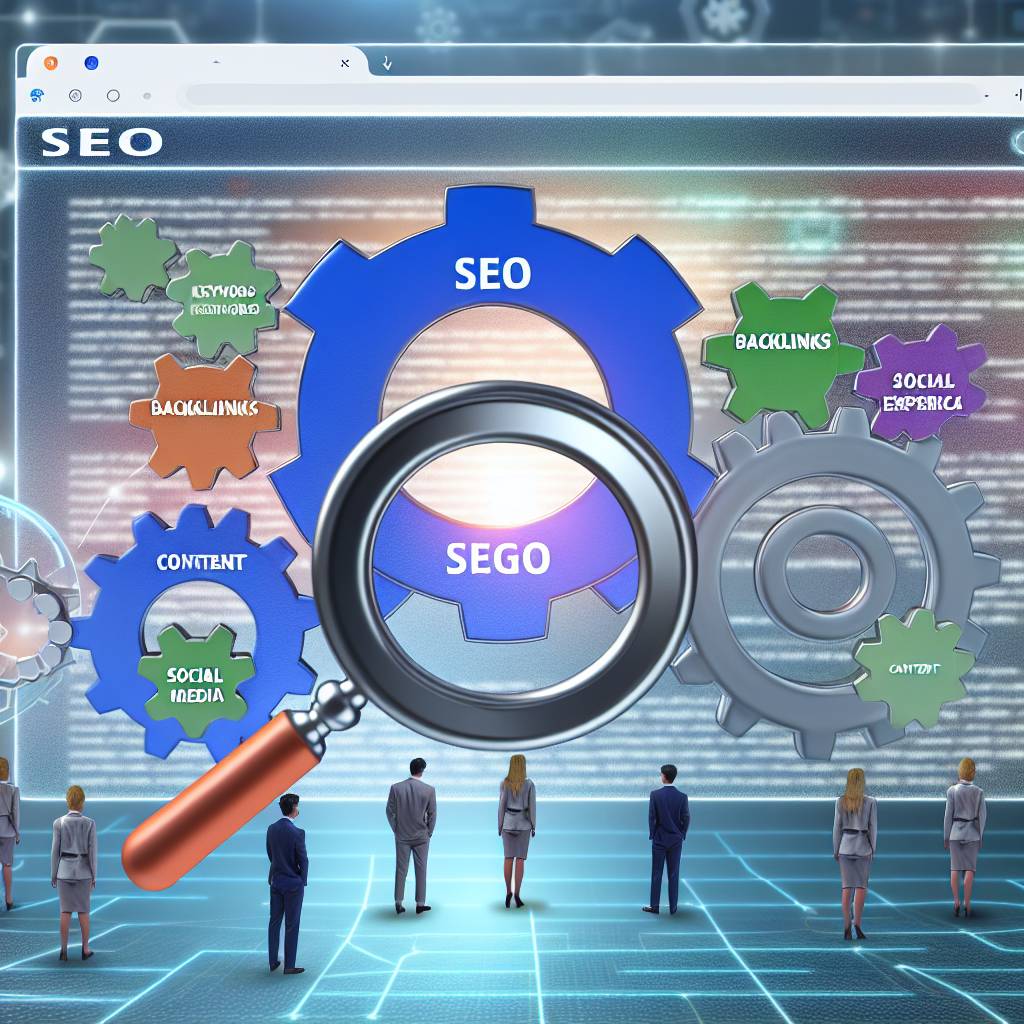
Welcome to the ultimate guide designed specifically for those who are new to the world of SEO. If you’ve been feeling overwhelmed by the complexities of search engine optimization, you’re not alone. The good news is, you’ve come to the right place. In this comprehensive blog post, we’ll break down the fundamentals of SEO in a step-by-step manner, making it easy for you to understand and apply these strategies to your own website.
Whether you’re a small business owner, a blogger, or just someone looking to increase your online presence, this guide will provide you with the essential tools and knowledge you need to start optimizing your website effectively.
Our guide is divided into five detailed sections, each focusing on a key aspect of SEO for beginners. We’ll start with the basics and gradually move into more advanced tactics, ensuring that you have a solid foundation to build upon. By the end of this article, you’ll not only understand what SEO is but also how to implement it to see real, tangible results.
Prepare to unlock the secrets of SEO and transform your website from a hidden gem into a search engine favorite. Let’s embark on this journey together and turn you from a novice into an SEO hero!
1. Master SEO Basics: Your Ultimate Step-by-Step Guide to Optimizing Your Website
Mastering the basics of SEO (Search Engine Optimization) is the cornerstone of any successful online presence. Whether you’re a small business owner, a blogger, or a digital marketer, understanding SEO can propel your website to the top of search engine results, driving more traffic and increasing your visibility. Here’s a comprehensive step-by-step guide to help you optimize your website effectively.
Understand How Search Engines Work
Before diving into SEO techniques, it’s crucial to understand how search engines like Google, Bing, and Yahoo work. These engines crawl the web, indexing pages based on content, relevance, and authority, and then rank them according to their algorithms. Knowing this can help you tailor your content to meet these criteria.
Keyword Research: The Foundation of SEO
Keyword research is the bedrock of any SEO strategy. Tools like Google Keyword Planner, SEMrush, and Ahrefs can help you identify the keywords that your target audience is searching for. Focus on long-tail keywords as they are usually less competitive and more specific, making it easier to rank higher for them.
On-Page SEO: Optimize Your Content
On-page SEO involves optimizing individual web pages to rank higher and earn more relevant traffic. This includes:
– **Title Tags:** Ensure your title tag is compelling and includes your primary keyword.
– **Meta Descriptions:** Write concise meta descriptions that provide a clear overview of your page content and include relevant keywords.
– **Header Tags:** Use H1, H2, and H3 tags to structure your content, making it easier for search engines to understand.
– **Keyword Placement:** Naturally incorporate keywords into your content, but avoid keyword stuffing as it can negatively impact your ranking.
Technical SEO: Enhance Your Site’s Backend
Technical SEO focuses on the backend of your website, ensuring it meets the technical requirements of search engines. This includes:
– **Site Speed:** Use tools like Google PageSpeed Insights to analyze and improve your site speed.
– **Mobile-Friendliness:** Ensure your website is responsive and offers a seamless experience on all devices.
– **XML Sitemap:** Create and submit an XML sitemap to help search engines crawl your site more effectively.
– **Robots.txt:** Use a robots.txt file to guide search engines on which pages to crawl and which to ignore.
Content is King: Create High-Quality, Engaging Content
Content is the heart of SEO. High-quality, engaging content not only attracts visitors but also encourages them to stay longer on your site. This reduces bounce rates and signals to search engines that your site is valuable. Regularly update your blog with informative articles, how-to guides, and industry news to keep your audience engaged.
Link Building: Increase Your Website’s Authority
Building a robust backlink profile is essential for SEO. Reach out to authoritative websites in your industry for guest posting opportunities, and create shareable content that naturally attracts backlinks. Tools like Moz Link Explorer can help you analyze your backlink profile and identify areas for improvement.
Monitor and Analyze Your SEO Performance
SEO is not a set-it-and-forget-it strategy. Use tools like Google Analytics and Google Search Console to monitor your traffic, track keyword rankings, and identify any issues that need fixing. Regularly analyze your performance data to tweak and refine your SEO strategy.
By mastering these SEO basics, you can significantly improve your website’s visibility, drive more organic traffic, and achieve your digital marketing goals. Remember, SEO is a long-term investment, and consistency is key to reaping the rewards.
2. Unlock the Secrets of SEO: A Comprehensive Beginner’s Guide to Website Optimization
Search Engine Optimization (SEO) is a powerful tool that can significantly enhance your website’s visibility and drive organic traffic. If you’re new to SEO, this comprehensive guide will help you unlock the secrets of website optimization and set you on the path to success.
Understanding SEO Basics
SEO involves a variety of strategies and techniques aimed at improving your website’s ranking on search engine results pages (SERPs). By optimizing your site, you make it easier for search engines like Google to understand your content and rank it higher for relevant queries.
Keyword Research: The Foundation of SEO
Keyword research is the cornerstone of any effective SEO strategy. Start by identifying the key terms and phrases that your target audience is searching for. Tools like Google Keyword Planner, SEMrush, and Ahrefs can help you discover high-volume, low-competition keywords that will boost your site’s visibility.
On-Page Optimization: Enhancing Your Content
On-page SEO focuses on optimizing individual web pages to rank higher and attract more relevant traffic. Key elements include:
1. **Title Tags:** Craft compelling and keyword-rich titles that accurately reflect your content.
2. **Meta Descriptions:** Write concise, persuasive meta descriptions that encourage users to click through to your site.
3. **Header Tags (H1, H2, H3):** Use header tags to structure your content and highlight important sections.
4. **URL Structure:** Create clean, descriptive URLs that include your primary keywords.
5. **Internal Linking:** Link to other relevant pages on your site to improve navigation and distribute link equity.
Quality Content: The Heart of SEO
Content is king in the world of SEO. High-quality, informative, and engaging content not only attracts visitors but also earns backlinks from other reputable sites. Aim to produce content that answers your audience’s questions and provides real value.
Technical SEO: Ensuring a Smooth Experience
Technical SEO involves optimizing your website’s infrastructure to ensure search engines can easily crawl and index your site. Key considerations include:
1. **Site Speed:** Ensure your website loads quickly on all devices.
2. **Mobile-Friendliness:** Optimize your site for mobile users to enhance their experience and improve rankings.
3. **XML Sitemaps:** Create and submit an XML sitemap to help search engines understand your site’s structure.
4. **Robots.txt:** Use a robots.txt file to control which pages search engines can crawl.
Off-Page SEO: Building Authority
Off-page SEO focuses on activities that occur outside of your website but still impact your rankings. This primarily involves building high-quality backlinks from authoritative sites. Techniques include:
1. **Guest Blogging:** Write informative articles for reputable blogs in your industry.
2. **Social Media Marketing:** Share your content on social media platforms to increase visibility and attract links.
3. **Influencer Outreach:** Collaborate with influencers to promote your content and gain backlinks.
Monitoring and Adjusting Your SEO Strategy
SEO is not a one-time task but an ongoing process. Use tools like Google Analytics and Google Search Console to monitor your site’s performance and make data-driven adjustments to your strategy. Regularly review your keyword rankings, traffic sources, and user behavior to identify areas for improvement.
By following these steps, you’ll be well on your way to mastering the art of SEO and optimizing your website for better visibility and increased traffic. Remember, patience and persistence are key. SEO success doesn’t happen overnight, but with consistent effort, you’ll see meaningful results.
3. From Zero to SEO Hero: A Detailed Guide for Beginners to Boost Your Website’s Ranking
Understanding the fundamentals of SEO can transform your website from an overlooked corner of the internet to a bustling hub of activity. If you’re just starting out, the process may seem overwhelming, but with the right steps, you can become an SEO hero. Here’s a detailed guide to help beginners boost their website’s ranking:
Step 1: Keyword Research
Keywords are the foundation of SEO. Start by identifying the terms and phrases your target audience is likely to use when searching for your products or services. Tools like Google’s Keyword Planner, Ahrefs, and SEMrush can help you discover relevant keywords with substantial search volume and manageable competition. Aim to include a mix of short-tail and long-tail keywords to cover a broader audience.
Step 2: On-Page SEO
Once you have your keywords, incorporate them into your website content naturally. Focus on the following elements:
– **Title Tags:** Ensure each page has a unique title tag with the primary keyword near the beginning.
– **Meta Descriptions:** Write compelling meta descriptions that include your keywords and encourage clicks.
– **Header Tags (H1, H2, H3):** Use these tags to structure your content, making it easier for search engines and users to understand.
– **Content:** Create high-quality, informative content that addresses the needs and questions of your audience. Include keywords strategically, but avoid keyword stuffing.
Step 3: Technical SEO
Technical SEO involves optimizing the backend of your website to improve its visibility. Key aspects include:
– **Site Speed:** Use tools like Google PageSpeed Insights to assess and enhance your site’s loading speed.
– **Mobile-Friendliness:** Ensure your website is responsive and provides a seamless experience on all devices. Google’s Mobile-Friendly Test can help you identify issues.
– **XML Sitemap:** Create and submit an XML sitemap to Google Search Console to help search engines index your pages more effectively.
– **Robots.txt:** Use a robots.txt file to control which pages search engines can crawl and index.
Step 4: Link Building
Building a robust backlink profile is crucial for SEO. Here are some strategies to consider:
– **Guest Blogging:** Write guest posts for reputable websites in your niche and include links back to your site.
– **Broken Link Building:** Find broken links on other websites and offer your content as a replacement.
– **Social Sharing:** Promote your content on social media to increase its visibility and the likelihood of earning backlinks.
Step 5: Monitor and Adjust
SEO is not a one-time effort. Regularly monitor your website’s performance using tools like Google Analytics and Google Search Console. Track your rankings, traffic, and user behavior to identify areas for improvement. Stay updated with the latest SEO trends and algorithm changes to adjust your strategies accordingly.
By following these steps, you can transition from zero SEO knowledge to becoming a proficient optimizer, effectively boosting your website’s ranking and attracting more visitors. Consistency and patience are key – SEO success doesn’t happen overnight, but the long-term benefits are well worth the effort.
4. Start Your SEO Journey: An Easy-to-Follow Step-by-Step Guide for Website Optimization
Starting your SEO journey can seem daunting, but with a clear, step-by-step guide, you can transform your website into a search engine magnet. Here’s how you can begin optimizing your website for search engines:
Step 1: Conduct Keyword Research
Before you start making any changes to your website, you need to understand what your potential visitors are searching for. Use tools like Google Keyword Planner, Ahrefs, or SEMrush to find relevant keywords for your industry. Focus on long-tail keywords, as they typically have lower competition and higher conversion rates.
Step 2: Optimize Your Content
Once you have your keywords, integrate them naturally into your content. Make sure each page on your website has a primary keyword and related secondary keywords. Ensure your content is high-quality, informative, and provides value to your readers. Use headings, bullet points, and images to break up text and make it more readable.
Step 3: Improve On-Page SEO
On-page SEO involves optimizing individual web pages to rank higher and earn more relevant traffic. This includes:
– **Title Tags and Meta Descriptions:** Craft compelling and keyword-rich title tags and meta descriptions.
– **Header Tags:** Use H1, H2, and H3 tags to structure your content.
– **URL Structure:** Make your URLs clean and include your target keywords.
– **Internal Linking:** Link to other pages on your website to keep users engaged and improve navigation.
Step 4: Enhance Technical SEO
Technical SEO ensures that your website meets the technical requirements of search engines. Key aspects include:
– **Mobile-Friendliness:** Ensure your website is responsive and performs well on mobile devices.
– **Page Speed:** Optimize images, leverage browser caching, and use a content delivery network (CDN) to improve load times.
– **XML Sitemap:** Create and submit an XML sitemap to help search engines crawl your site.
– **Robots.txt:** Use a robots.txt file to guide search engine crawlers on which parts of your site to index.
Step 5: Build Quality Backlinks
Backlinks are crucial for SEO as they signal to search engines that your content is credible and valuable. Focus on acquiring high-quality backlinks from reputable websites. Guest blogging, creating shareable infographics, and engaging with influencers in your industry can help you earn valuable links.
Step 6: Monitor and Analyze Your Performance
Use tools like Google Analytics and Google Search Console to track your SEO performance. Monitor your keyword rankings, organic traffic, and user behavior. Regularly analyzing this data will help you understand what’s working and what needs improvement.
By following these steps, you’ll be well on your way to optimizing your website and improving your search engine rankings. Remember, SEO is a continuous process, and staying updated with the latest trends and algorithm changes is key to maintaining and improving your site’s visibility.
5. The Newbie’s Roadmap to SEO Success: Optimize Your Website with Our Expert Tips and Tricks
Embarking on your SEO journey can seem overwhelming, but with the right strategies and tools, even a complete beginner can achieve impressive results. Here’s a detailed roadmap to help you navigate through the essentials of SEO and optimize your website effectively.
1. Keyword Research
Understanding what your audience is searching for is the foundation of any successful SEO strategy. Utilize tools like Google Keyword Planner, Ahrefs, or SEMrush to find relevant keywords that have high search volume and low competition. Focus on long-tail keywords initially, as they are often less competitive and more specific to user intent.
2. On-Page Optimization
Once you have your keywords, the next step is to integrate them naturally into your website’s content. Ensure that your primary keyword appears in the title tag, meta description, headers, and throughout the body of the text. Avoid keyword stuffing, as it can lead to penalties from search engines. Instead, aim for a natural flow that enhances readability and user experience.
3. High-Quality Content Creation
Content is king in the world of SEO. Create informative, engaging, and original content that provides value to your readers. Regularly update your blog with fresh articles that address common questions and pain points in your niche. Incorporate multimedia elements like images, videos, and infographics to make your content more appealing and shareable.
4. Technical SEO
Technical SEO involves optimizing the backend of your website to improve its performance and accessibility. Ensure your site is mobile-friendly, as a significant portion of web traffic comes from mobile devices. Improve site speed by compressing images, leveraging browser caching, and minimizing code. Use a clean and organized URL structure, and make sure your site is secure (HTTPS).
5. Link Building
Building a strong backlink profile is crucial for improving your site’s authority and ranking. Reach out to industry influencers and bloggers for guest posting opportunities. Create shareable content that others will naturally want to link to. Utilize social media platforms to promote your content and attract backlinks. Remember, quality over quantity is key when it comes to backlinks.
6. Analytics and Monitoring
Track your SEO progress by using tools like Google Analytics and Google Search Console. Monitor key metrics such as organic traffic, bounce rate, and conversion rate. Analyze this data to identify what’s working and what needs improvement. Regularly update your SEO strategy based on these insights to ensure continuous growth.
By following these expert tips and tricks, beginners can effectively optimize their websites and pave the way for SEO success. Remember, SEO is a marathon, not a sprint. Patience, consistency, and a willingness to adapt are essential for long-term success.



0件のコメント