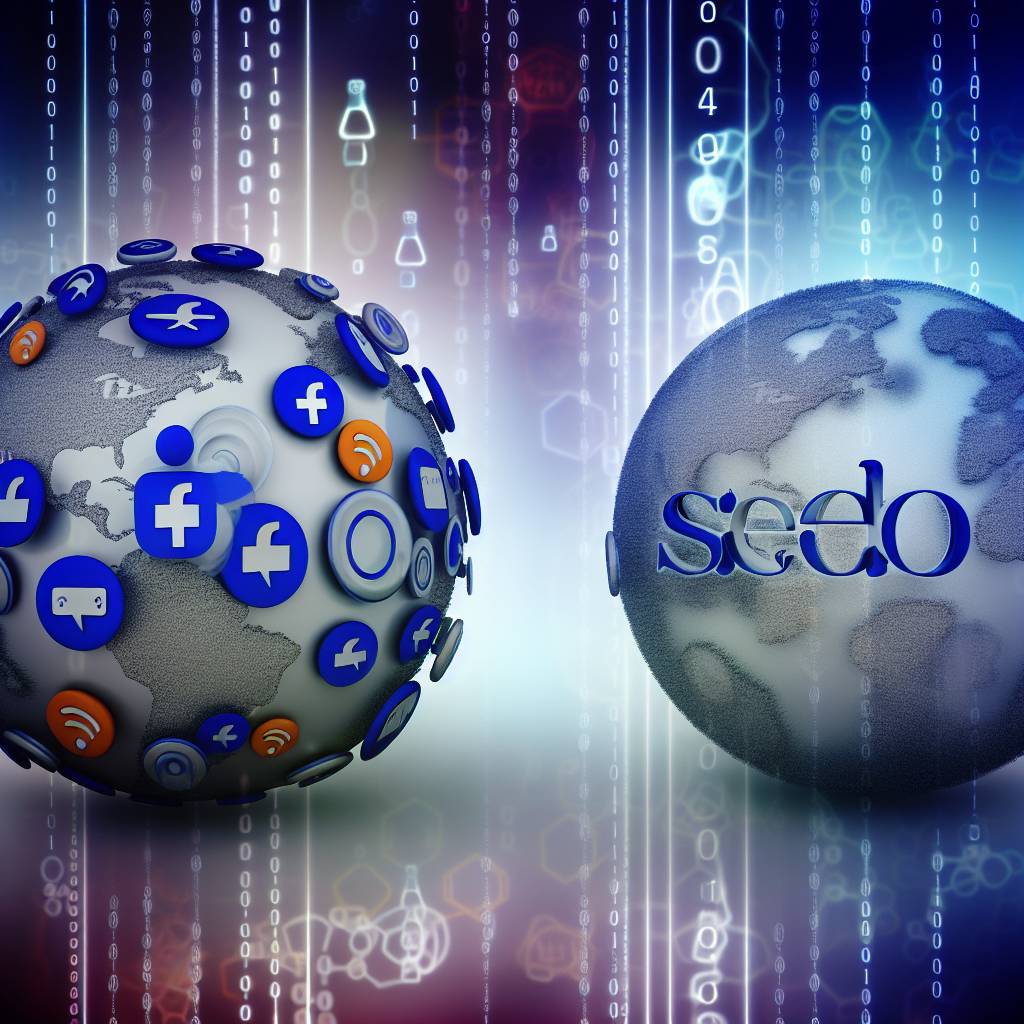
In today’s digital age, the lines between social media and search engine optimization (SEO) are becoming increasingly blurred. While many businesses invest time and resources into optimizing their websites for search engines, they often overlook the powerful impact that social media can have on their SEO efforts. If you’re aiming to enhance your online presence and achieve higher rankings on search engine results pages, understanding the symbiotic relationship between social media and SEO is crucial.
This blog post delves into the multifaceted ways social media can influence your SEO, offering actionable strategies to integrate both elements seamlessly. We’ll explore how leveraging social media platforms can lead to improved website traffic, higher engagement rates, and ultimately, better SEO performance. From unlocking the secrets behind skyrocketing your SEO rankings with social media to crafting the ultimate strategy for online success, our comprehensive guide will equip you with the knowledge to maximize your digital footprint. Get ready to transform those likes and shares into valuable links and conversions, and take your SEO efforts to the next level.
Stay tuned as we unveil the powerful duo of social media and SEO, and learn how to harness this synergy to boost your online visibility and drive meaningful results for your business.
1. Unlocking the Secret: How Social Media Can Skyrocket Your SEO Rankings
Understanding the deep connection between social media and SEO can be the key to unlocking unprecedented growth for your online presence. Contrary to popular belief, social media does more than just keep you connected with your audience; it can profoundly impact your search engine rankings. Here’s how:
Firstly, social media platforms serve as amplifiers for your content. When your content is shared, liked, or commented on across various social media channels, it signals to search engines that your content is valuable and engaging. This increased visibility can lead to higher click-through rates, which search engines interpret as a sign of relevance and quality.
Secondly, social media profiles themselves rank in search engines. Highly active and well-optimized social media profiles can appear in the top results of search queries related to your brand. This not only increases your online footprint but also provides multiple entry points for users to discover your content.
Moreover, backlinks from social media are invaluable. While social media links are often “no-follow,” meaning they don’t pass SEO equity directly, the increased traffic they generate can lead to more organic backlinks from other websites. These organic backlinks are crucial for improving your domain authority and overall search engine rankings.
Another critical aspect is user engagement. High levels of engagement on social media can lead to longer dwell times on your website, as users are more likely to click through to your site and explore your content. Search engines like Google use dwell time as a metric to gauge the quality and relevance of your website, which can positively influence your SEO rankings.
Lastly, social media can help you understand and target your audience more effectively. By analyzing social media metrics, you can gain insights into what type of content resonates with your audience. This information is invaluable for tailoring your SEO strategy to meet the needs and preferences of your target market, thereby improving your chances of ranking higher in search engine results.
In summary, leveraging social media for SEO isn’t just an option; it’s a necessity in today’s digital landscape. By amplifying content, securing backlinks, and engaging users, social media can be a powerful tool in skyrocketing your SEO rankings.
2. The Ultimate Guide to Boosting SEO with Social Media Strategies
In today’s digital landscape, leveraging social media to enhance your SEO efforts is no longer optional—it’s essential. To maximize your online presence and drive organic traffic to your website, integrating effective social media strategies is a game-changer. Here’s a comprehensive guide to help you boost your SEO using social media.
1. Optimize Your Social Media Profiles
First impressions matter. Ensure that your social media profiles are fully optimized with relevant keywords, a compelling bio, and a link to your website. Use consistent branding and professional images across all platforms to build trust and recognition.
2. Share High-Quality Content Consistently
Content is king, and this holds true for social media as well. Regularly share valuable, engaging, and shareable content that resonates with your audience. This not only drives traffic to your site but also encourages backlinks, which are crucial for SEO.
3. Utilize Hashtags and Keywords
Just as keywords are vital for SEO, hashtags play a similar role on social media. Use relevant and trending hashtags to increase the visibility of your posts. Conduct keyword research to ensure your content aligns with what your audience is searching for.
4. Engage with Your Audience
Social media is all about interaction. Respond to comments, participate in discussions, and engage with your followers. This not only builds a loyal community but also signals to search engines that your brand is active and relevant.
5. Leverage Social Media Analytics
Analytics tools available on platforms like Facebook, Twitter, and Instagram provide valuable insights into what content performs best. Use this data to refine your strategies and focus on what drives the most engagement and traffic.
6. Cross-Promote Your Content
Promote your blog posts, videos, and other content across all your social media channels. This helps in driving traffic from multiple sources and increases the chances of your content being shared, thus boosting its reach and SEO value.
7. Collaborate with Influencers
Influencers have a significant following and can amplify your content’s reach. Partner with influencers in your niche to co-create content or have them share your posts. This not only expands your audience but also enhances your credibility and authority.
8. Utilize Social Sharing Buttons
Make it easy for visitors to share your content by incorporating social sharing buttons on your website and blog posts. The more your content is shared, the higher the chances of it being linked back to, which is beneficial for SEO.
9. Monitor and Adapt
SEO and social media trends are constantly evolving. Regularly monitor your performance and stay updated with the latest trends and algorithm changes. Adapt your strategies accordingly to maintain and improve your SEO rankings.
By implementing these social media strategies, you can significantly boost your SEO efforts and enhance your online visibility. Remember, the key is to stay consistent, engage authentically, and continuously refine your tactics based on performance data.
3. Social Media and SEO: A Powerful Duo for Online Success
In the digital age, the synergy between social media and search engine optimization (SEO) cannot be underestimated. When effectively combined, these two marketing strategies can significantly enhance your online presence and drive more traffic to your website. Social media platforms, with their massive user base and real-time engagement capabilities, serve as powerful tools to boost your SEO efforts.
Firstly, social media helps in increasing your content’s visibility. When you share high-quality content on platforms like Facebook, Twitter, and LinkedIn, it reaches a broader audience. This increased exposure can lead to more backlinks, which are crucial for improving your search engine rankings. The more valuable and shareable your content is, the higher the chances of it being linked by other websites, thus enhancing your domain authority.
Secondly, social media profiles themselves rank in search engines. When potential customers search for your brand, they are likely to see your social media pages among the top results. An active and engaging social media presence not only strengthens your brand’s credibility but also provides additional pathways for users to find and interact with your content.
Lastly, social media can drive more organic traffic to your website. By sharing blog posts, infographics, videos, and other content on social media, you attract users who are genuinely interested in your offerings. This targeted traffic is more likely to engage with your site, reducing bounce rates and increasing the time spent on your pages, which are positive signals to search engines.
In conclusion, integrating social media with your SEO strategy is essential for online success. By leveraging the power of social media to amplify your content, build quality backlinks, and drive targeted traffic, you can significantly improve your search engine rankings and grow your online presence.
4. Maximize Your Online Presence: The Impact of Social Media on SEO
How Social Media Influences Your SEO
4. Maximize Your Online Presence: The Impact of Social Media on SEO
In the digital age, having a robust online presence is essential for any business looking to succeed. One of the most powerful tools at your disposal is social media. But did you know that your activity on social media can significantly impact your search engine optimization (SEO) efforts? Here’s how you can maximize your online presence by leveraging the relationship between social media and SEO.
##### Social Signals and Search Engine Rankings
Search engines like Google consider social signals as part of their ranking algorithms. Social signals include likes, shares, comments, and overall engagement on your social media posts. When your content is frequently shared and engaged with on social platforms, it sends a signal to search engines that your content is valuable and relevant. This, in turn, can improve your website’s ranking on search engine results pages (SERPs).
##### Increased Content Distribution
Social media provides an excellent platform for distributing your content. When you share blog posts, articles, and other valuable content on social media, you increase the chances of it being seen by a larger audience. This not only drives more traffic to your website but also encourages backlinks from other websites, which are crucial for SEO. The more high-quality backlinks you have, the better your site will rank in search results.
##### Brand Awareness and Authority
Being active on social media helps build brand awareness and establishes your authority in your industry. When people consistently see your brand sharing valuable and insightful content, they are more likely to trust you. This trust can lead to increased website visits, longer time spent on your site, and ultimately, higher rankings on search engines. A strong social media presence makes your brand more recognizable, which can indirectly boost your SEO efforts.
##### Enhanced User Experience
Social media platforms allow for direct interaction with your audience, providing immediate feedback and engagement. This interaction can help you understand what your audience likes and dislikes, allowing you to tailor your content accordingly. A better user experience on your website, driven by insights gained from social media interactions, can lead to lower bounce rates and higher engagement metrics. Search engines take these factors into account when ranking websites, so a positive user experience can improve your SEO.
In summary, social media is not just a platform for engagement; it is a powerful tool that can significantly impact your SEO. By understanding and leveraging the relationship between social media and SEO, you can maximize your online presence, drive more traffic to your website, and improve your search engine rankings.
5. From Likes to Links: How Social Media Enhances Your SEO Efforts
In the digital age, social media has become an indispensable tool for businesses looking to enhance their online presence. But did you know that your social media activity can also significantly impact your SEO? Social signals, such as likes, shares, and comments, play a crucial role in improving your search engine rankings. Here’s how:
1. **Increased Visibility and Traffic**: When your content receives a high number of likes, shares, and comments, it reaches a broader audience. This increased visibility drives more traffic to your website, which search engines interpret as a sign of high-quality content. The more visitors you attract, the higher your site will rank in search engine results pages (SERPs).
2. **Content Distribution**: Social media platforms are excellent channels for distributing your content. When you share a blog post, infographic, or video on platforms like Facebook, Twitter, and LinkedIn, you create more opportunities for backlinks. Backlinks, or inbound links from other websites, are a significant ranking factor for search engines like Google. The more high-quality backlinks you have, the more authoritative your site appears.
3. **Brand Authority and Trust**: Social media engagement helps build your brand’s authority and trustworthiness. When users see that your content is frequently shared and discussed on social media, they are more likely to view your brand as a credible source of information. Search engines also take into account the trustworthiness of your brand when ranking your website.
4. **Social Profiles in SERPs**: Your social media profiles themselves can rank in search engine results. When someone searches for your brand, your Twitter, Facebook, or LinkedIn profiles may appear alongside your website. This not only takes up more real estate in the SERPs but also provides multiple pathways for users to discover and engage with your brand.
5. **Enhanced User Experience**: Social media can improve user experience, which is another critical factor for SEO. Engaging content, responsive customer service, and active community management on social platforms can lead to a better overall experience for your audience. Positive user experiences reduce bounce rates and increase the time users spend on your site, both of which are favorable signals to search engines.
In conclusion, social media and SEO are intrinsically linked. By fostering engagement on social platforms, you not only enhance your online presence but also contribute to your SEO efforts. From likes to links, every interaction counts towards building a more authoritative and visible online presence.
0件のコメント