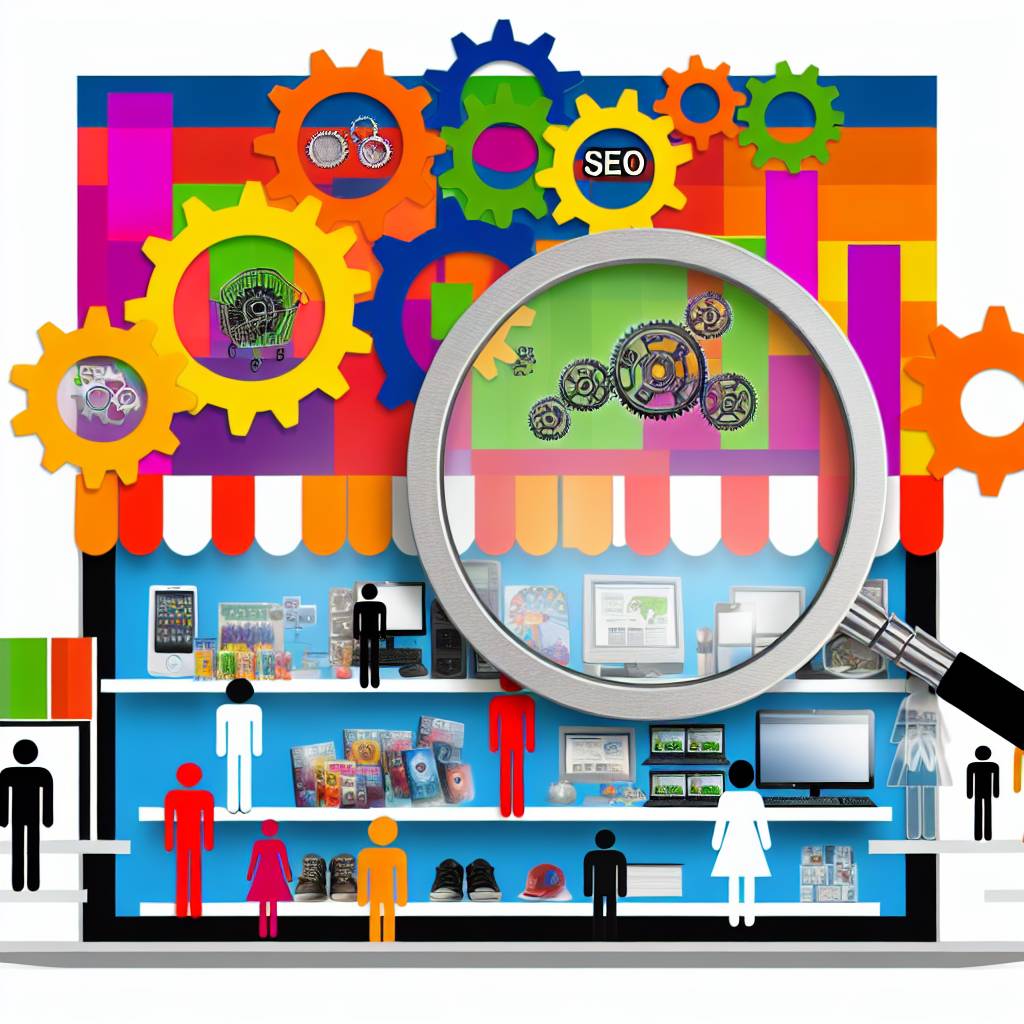
In today’s digital world, having a robust online presence is crucial for the success of any e-commerce business. With countless online stores vying for the attention of potential customers, how can you ensure that your store stands out in the crowded marketplace? The answer lies in effective E-commerce SEO. Optimizing your online store for maximum visibility not only drives organic traffic but also significantly boosts your sales and revenue.
In this comprehensive blog, we will delve into the intricacies of E-commerce SEO, providing you with valuable insights and actionable strategies to enhance your store’s visibility and performance. From unlocking the secrets of E-commerce SEO to mastering proven techniques and simplifying essential tips, this guide is designed to equip you with the knowledge and tools necessary to transform your online store. Whether you’re a seasoned e-commerce professional or just starting, these expert tips will help you achieve higher rankings and skyrocket your online sales.
Join us as we explore the ultimate guide to E-commerce SEO, offering you step-by-step instructions, expert advice, and practical solutions to optimize your online store. Stay tuned and get ready to elevate your e-commerce business to new heights!
1. Unlock the Secrets of E-commerce SEO: Boost Your Online Store’s Visibility Today
In the fast-paced world of e-commerce, having a beautifully designed online store is just the beginning. To truly succeed, your store needs to be easily discoverable by potential customers who are searching for the products you offer. This is where E-commerce SEO (Search Engine Optimization) comes into play. By leveraging effective SEO strategies, you can significantly enhance your online store’s visibility, driving more organic traffic and ultimately increasing sales.
One of the first steps in E-commerce SEO is conducting thorough keyword research. Identify the terms and phrases that your target audience is likely to use when searching for products similar to yours. Tools like Google Keyword Planner, Ahrefs, and SEMrush can be invaluable in this process. Once you’ve identified your primary keywords, strategically incorporate them into your product titles, descriptions, meta tags, and URLs.
Another crucial aspect of E-commerce SEO is optimizing your product pages. Ensure that each product page is unique and provides valuable information to your customers. High-quality images, detailed descriptions, and customer reviews not only enhance user experience but also signal to search engines that your content is relevant and useful. Additionally, make sure your website is mobile-friendly, as a significant portion of online shopping is done via mobile devices.
Technical SEO elements should not be overlooked. This includes optimizing your site’s loading speed, ensuring proper use of header tags, and creating a clear, logical site structure. Implementing schema markup can also help search engines understand your content better, potentially leading to enhanced search results like rich snippets.
Link building is another powerful SEO strategy. Focus on acquiring high-quality backlinks from reputable websites in your industry. This can be achieved through guest blogging, partnerships, or creating shareable content that naturally attracts links.
Lastly, regularly update your content and stay informed about the latest SEO trends and algorithm changes. Search engines constantly evolve, and staying ahead of the curve can give your online store a competitive edge. By consistently applying these E-commerce SEO practices, you can unlock the full potential of your online store and achieve maximum visibility in search engine results.
Remember, SEO is not a one-time effort but an ongoing process. Continuously analyze your performance, make necessary adjustments, and watch as your online store climbs the search engine rankings, attracting more and more customers.
2. The Ultimate Guide to E-commerce SEO: Strategies to Skyrocket Your Online Sales
In the bustling world of online retail, standing out from the competition is more critical than ever. E-commerce SEO (Search Engine Optimization) is the key to ensuring your online store not only attracts visitors but also converts those visits into sales. Here is your ultimate guide to mastering e-commerce SEO and skyrocketing your online sales.
Keyword Research: The Foundation of Your SEO Strategy
Effective keyword research is the cornerstone of any successful SEO strategy. Start by identifying the primary keywords relevant to your products. Use tools like Google Keyword Planner, SEMrush, and Ahrefs to find high-volume, low-competition keywords. Long-tail keywords, which are more specific and often less competitive, can also drive highly targeted traffic to your store.
On-Page SEO: Optimizing Product Pages
Each product page on your e-commerce site should be optimized for search engines. This includes:
– **Title Tags and Meta Descriptions**: Craft unique and compelling title tags and meta descriptions for each product page. Incorporate your primary keyword naturally.
– **Product Descriptions**: Write detailed and informative product descriptions that highlight key features and benefits. Avoid duplicate content by ensuring each description is unique.
– **URL Structure**: Use clean and descriptive URLs that include relevant keywords. For example, instead of “www.yourstore.com/product12345”, use “www.yourstore.com/blue-widgets”.
Technical SEO: Building a Strong Foundation
A technically sound website is crucial for SEO success. Focus on the following aspects:
– **Site Speed**: Ensure your website loads quickly. Use tools like Google PageSpeed Insights to identify and fix issues that may be slowing down your site.
– **Mobile Friendliness**: With more users shopping on mobile devices, having a mobile-friendly site is non-negotiable. Use responsive design to ensure your site looks great on all devices.
– **Secure Website (HTTPS)**: Google prioritizes secure websites. Make sure your site uses HTTPS to protect customer data and boost your search rankings.
Content Marketing: Driving Organic Traffic
Content marketing is a powerful tool for driving organic traffic to your e-commerce site. Create high-quality, informative content that addresses common questions and concerns related to your products. Blog posts, buying guides, and how-to articles can attract potential customers and establish your brand as an authority in your niche.
Link Building: Earning Authority and Trust
Building high-quality backlinks is essential for improving your site’s authority and search engine rankings. Reach out to relevant blogs, industry publications, and influencers for guest posting opportunities. Additionally, create shareable content that naturally attracts links from other websites.
User Experience (UX): Enhancing Customer Satisfaction
A positive user experience can significantly impact your SEO efforts. Ensure your website is easy to navigate, with clear categories and a simple checkout process. High-quality images, customer reviews, and social proof can also enhance the shopping experience and boost conversions.
By implementing these e-commerce SEO strategies, you can enhance your online store’s visibility, attract more visitors, and ultimately increase your sales. Stay updated with the latest SEO trends and continuously optimize your site to maintain your competitive edge.
3. Master E-commerce SEO: Proven Techniques to Optimize Your Online Store
To truly master E-commerce SEO, it’s crucial to implement proven techniques that can propel your online store to the top of search engine results. Here are some key strategies that can help you achieve maximum visibility:
1. Keyword Research and Optimization:
Begin by conducting thorough keyword research to identify the terms and phrases your potential customers are searching for. Tools like Google Keyword Planner, Ahrefs, and SEMrush can be invaluable in this process. Once you have a list of relevant keywords, strategically incorporate them into your product titles, descriptions, meta tags, and URLs. Avoid keyword stuffing, as it can negatively impact your rankings. Instead, aim for natural and meaningful integration.
2. High-Quality Content Creation:
Content is king when it comes to SEO. Create high-quality, engaging content that provides value to your customers. This can include detailed product descriptions, blog posts, how-to guides, and video tutorials. Content that answers common questions or solves problems for your audience can also attract backlinks, which are essential for SEO. Remember to update your content regularly to keep it fresh and relevant.
3. Technical SEO:
Technical SEO involves optimizing the backend of your website to improve its performance and ensure it meets search engine requirements. Key aspects include:
– **Site Speed:** A fast-loading site improves user experience and is favored by search engines. Use tools like Google PageSpeed Insights to identify and fix issues.
– **Mobile-Friendliness:** With the majority of users accessing websites via mobile devices, ensure your site is mobile-responsive. Google’s Mobile-Friendly Test can help you assess your site’s mobile compatibility.
– **Secure Sockets Layer (SSL):** An SSL certificate encrypts data and is a ranking factor for Google. Ensure your website uses HTTPS.
– **XML Sitemaps:** Submit an XML sitemap to search engines to help them understand your site’s structure and index it more efficiently.
4. User Experience (UX):
A positive user experience is crucial for retaining visitors and encouraging repeat business. Focus on:
– **Intuitive Navigation:** Make it easy for users to find what they’re looking for with clear menus and a logical site structure.
– **High-Quality Images and Videos:** Use professional images and videos that showcase your products effectively. Optimize them for fast loading without sacrificing quality.
– **Customer Reviews and Ratings:** Display customer reviews and ratings prominently. Positive feedback can boost trust and conversions, while also providing fresh content for search engines.
5. Link Building:
Building a strong backlink profile is essential for E-commerce SEO. Reach out to relevant websites, blogs, and influencers in your industry to secure high-quality backlinks. Guest blogging, partnerships, and social media engagement can also help in acquiring valuable links. Avoid black-hat techniques like buying links, as they can result in penalties from search engines.
By implementing these proven E-commerce SEO techniques, you can optimize your online store for maximum visibility, attract more traffic, and ultimately drive higher sales. Stay up-to-date with the latest SEO trends and continuously refine your strategies to maintain a competitive edge in the ever-evolving digital landscape.
4. E-commerce SEO Simplified: Essential Tips for Maximum Online Visibility
E-commerce SEO can feel overwhelming, but breaking it down into manageable steps will help you improve your online store’s visibility significantly. Here are some essential tips to get you started:
1. **Keyword Research**: Start by identifying the keywords your potential customers are using to search for products. Utilize tools like Google Keyword Planner, Ahrefs, or SEMrush to find high-volume, low-competition keywords. Incorporate these keywords naturally into your product titles, descriptions, meta tags, and URLs.
2. **Optimize Product Pages**: Each product page should be optimized with unique, keyword-rich content. Include detailed product descriptions, high-quality images, and customer reviews. Make sure your meta titles and descriptions are compelling and accurately reflect the content on the page.
3. **Improve Site Speed**: A fast-loading website is crucial for both user experience and SEO. Use tools like Google PageSpeed Insights to identify areas for improvement. Compress images, leverage browser caching, and minimize JavaScript to enhance your site speed.
4. **Mobile Optimization**: With more consumers shopping on their mobile devices, ensuring your online store is mobile-friendly is essential. Use responsive design techniques to make sure your site looks and functions well on all device types. Google’s Mobile-Friendly Test tool can help you identify any issues.
5. **Build Quality Backlinks**: Backlinks from reputable websites can significantly boost your SEO rankings. Consider reaching out to bloggers, influencers, and industry publications for opportunities to guest post or get featured. Additionally, create shareable content that others will want to link to.
6. **User Experience (UX)**: A positive user experience can lead to higher conversion rates and better SEO performance. Ensure your site is easy to navigate, with clear categories and a simple checkout process. Use tools like Hotjar to analyze user behavior and make necessary adjustments.
7. **Local SEO**: If you have a brick-and-mortar presence, local SEO is vital. Create and optimize your Google My Business listing, encourage satisfied customers to leave reviews, and ensure your NAP (Name, Address, Phone number) information is consistent across all online platforms.
By implementing these essential e-commerce SEO tips, you can enhance your online store’s visibility, attract more traffic, and ultimately drive more sales. Remember that SEO is a long-term strategy, and consistent effort will yield the best results.
5. Transform Your Online Store with E-commerce SEO: Expert Tips for Higher Rankings
In the highly competitive world of e-commerce, simply having an online store is not enough. To stay ahead of the curve and attract more customers, it’s essential to optimize your online store for search engines. E-commerce SEO (Search Engine Optimization) is a strategy that can help your store rank higher in search engine results, making it easier for potential customers to find you. Here are expert tips to transform your online store and achieve higher rankings.
1. **Keyword Research**: Understanding what potential customers are searching for is the foundation of effective SEO. Use tools like Google Keyword Planner, Ahrefs, or SEMrush to identify high-volume, low-competition keywords relevant to your products. Incorporate these keywords naturally into your product titles, descriptions, and meta tags.
2. **Optimize Product Pages**: Each product page should be treated as a mini landing page. Ensure that your titles are compelling and include primary keywords. Write detailed, unique product descriptions that highlight the benefits and features of your products. Don’t forget to include high-quality images with descriptive alt text.
3. **Improve Site Speed**: A slow-loading website can significantly impact your rankings and user experience. Use tools like Google PageSpeed Insights to identify areas for improvement. Compress images, leverage browser caching, and consider using a Content Delivery Network (CDN) to reduce load times.
4. **Mobile Optimization**: With more people shopping on their smartphones, having a mobile-friendly website is crucial. Ensure your site is responsive and provides a seamless user experience across all devices. Google’s Mobile-Friendly Test can help you assess and improve your site’s mobile performance.
5. **Build Quality Backlinks**: Backlinks from reputable websites can boost your site’s authority and improve your rankings. Reach out to bloggers, influencers, and industry publications to feature your products or write guest posts. Additionally, consider creating shareable content like infographics and guides that others will want to link to.
By implementing these expert tips, you can enhance your online store’s visibility and attract more organic traffic. Remember, SEO is an ongoing process, so continually monitor your performance and make adjustments as needed to stay ahead in the ever-evolving digital landscape.


0件のコメント