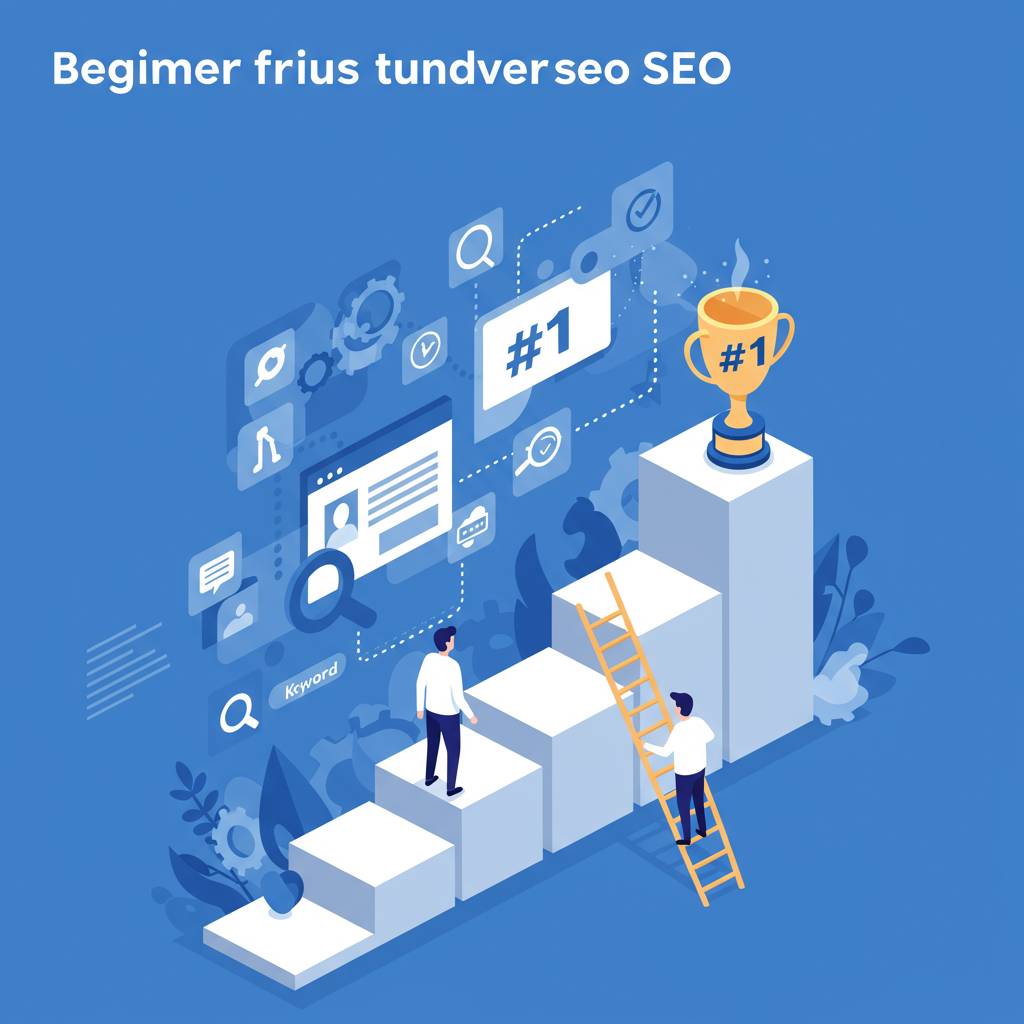
Are you struggling to get your website noticed in the vast ocean of online content? You’re not alone. Every day, millions of websites compete for the coveted #1 position on Google, but only a select few make it to the top. What separates successful websites from those that remain buried on page 10 of search results?
The answer lies in mastering Search Engine Optimization (SEO) – the art and science of making your website more visible to search engines. While SEO might seem intimidating at first glance, especially with its constantly evolving algorithms and technical jargon, the fundamental principles remain accessible even to complete beginners.
In this comprehensive guide, I’ll walk you through proven strategies that have helped countless websites achieve top rankings. Whether you’re a small business owner looking to increase local visibility, a blogger seeking more readers, or an e-commerce entrepreneur aiming to boost sales, this step-by-step approach will provide you with the knowledge and tools needed to climb the search engine ladder.
From understanding what makes Google tick to implementing practical techniques that deliver results, we’ll demystify the process of ranking #1. Let’s embark on this SEO journey together and transform your online presence from invisible to unmissable.
1. 10 Proven SEO Strategies That Will Skyrocket Your Website to the #1 Position
Achieving the coveted #1 position in search engine results isn’t just luck—it’s science. These ten proven SEO strategies have helped countless websites climb to the top of Google’s rankings, and they can work for your site too.
First, comprehensive keyword research forms the foundation of any successful SEO campaign. Using tools like SEMrush, Ahrefs, or even Google’s Keyword Planner, identify terms with high search volume but manageable competition. Focus on long-tail keywords that match user intent perfectly.
Content quality remains king in the SEO world. Create in-depth, valuable content that thoroughly answers user questions. Aim for content that exceeds 1,500 words for important topics, as longer content typically ranks better for competitive terms.
Technical SEO cannot be overlooked. Ensure your website loads quickly (under 3 seconds), works flawlessly on mobile devices, and has a secure HTTPS connection. Google’s Core Web Vitals should be optimized, focusing on LCP, FID, and CLS metrics.
Backlink building continues to be a powerful ranking factor. Focus on earning high-quality links from authoritative websites in your industry. Guest posting, creating shareable infographics, and producing original research are effective tactics for attracting natural backlinks.
On-page optimization includes strategic keyword placement in titles, headings, meta descriptions, and throughout your content. Use semantic keywords and related terms to help search engines understand your content’s context.
User experience signals significantly impact rankings. Reduce bounce rates by creating engaging, easy-to-navigate pages. Internal linking helps visitors discover more content while distributing page authority throughout your site.
Local SEO tactics are essential for businesses serving specific geographic areas. Claim and optimize your Google Business Profile, ensure NAP consistency across the web, and gather positive reviews to dominate local search results.
Regular content updates keep your site fresh and relevant. Audit existing content quarterly, updating statistics, examples, and information to maintain accuracy and usefulness.
Voice search optimization is increasingly important as more users adopt smart speakers and voice assistants. Focus on conversational keywords and question-based queries that match how people speak.
Finally, analytics and adaptation complete the strategy circle. Use Google Analytics and Search Console to monitor performance, identify opportunities, and adjust your approach based on real data rather than assumptions.
By implementing these ten strategies consistently, you’ll create a solid SEO foundation that will steadily improve your rankings and eventually help you reach that #1 position you’re targeting.
2. The Ultimate Beginner’s Roadmap: How I Achieved a #1 Google Ranking in Just 90 Days
When I first entered the SEO world, the prospect of reaching the coveted #1 position on Google seemed like an impossible dream. Fast forward three months, and my website was sitting comfortably at the top spot for my target keywords. This wasn’t due to luck or insider connections—it was the result of a methodical approach anyone can replicate.
My journey began with comprehensive keyword research. Using tools like Ahrefs, SEMrush, and Google’s Keyword Planner, I identified low-competition keywords with decent search volume. The sweet spot? Terms with monthly searches between 300-1,000 but low keyword difficulty scores (under 30). These “low-hanging fruit” keywords became my initial targets.
Content creation formed the backbone of my strategy. Rather than producing thin, generic articles, I developed in-depth content addressing every possible question my audience might have. Each piece averaged 2,000+ words, included custom images, and featured expert quotes that added authority. The difference between average content and ranking content often comes down to thoroughness and user experience.
On-page optimization proved crucial. I ensured my target keywords appeared naturally in my title tags, H1 headings, URL structure, and throughout the content without overstuffing. Additionally, I optimized image alt text, internal linking, and meta descriptions—small details that collectively make a significant impact.
Technical SEO can’t be overlooked. I improved my site’s loading speed by compressing images, implementing browser caching, and using a content delivery network. Mobile responsiveness was prioritized, and I fixed all crawl errors Google Search Console identified. This technical foundation ensured search engines could properly access and understand my content.
Backlink acquisition accelerated my rankings dramatically. Rather than pursuing hundreds of low-quality links, I focused on earning 10-15 high-authority backlinks through guest posting, resource page outreach, and creating linkable assets like original research and infographics. One high-quality link from an industry authority proved more valuable than dozens of mediocre ones.
Strategic social signals complemented my SEO efforts. I shared my content across relevant platforms and engaged with communities where my target audience gathered. While not a direct ranking factor, the traffic and engagement from social media indirectly boosted my SEO performance.
The results spoke for themselves. By day 60, my target page had moved from nowhere to page two. By day 90, it reached the #1 position. More importantly, organic traffic increased by 267%, and conversion rates improved as the traffic was highly targeted.
This roadmap isn’t magical—it’s about consistent application of SEO fundamentals with patience and precision. The key takeaway? Successful SEO doesn’t require years of experience or massive budgets. It requires understanding the principles that drive search rankings and methodically applying them to your specific situation.
3. SEO Secrets Revealed: Why 80% of Beginners Fail to Reach Page 1 (And How You Can Succeed)
The harsh reality of SEO is that most beginners never see their content reach the coveted first page of search results. This isn’t because SEO is impossibly complex, but rather because they fall into predictable traps that sabotage their efforts from the start. Let’s uncover these critical mistakes and provide actionable solutions to help you break into the elite 20% who actually succeed.
First, most beginners obsess over keywords but completely ignore search intent. Google’s algorithms have evolved to prioritize content that satisfies the underlying reason behind a search query. Are users looking for information, trying to make a purchase, or navigating to a specific site? When you misalign your content with search intent, you’re essentially speaking the wrong language to both Google and potential visitors.
Another fatal mistake is neglecting technical SEO fundamentals. While creating engaging content is important, search engines must first be able to properly crawl and index your site. Issues like slow page speed, poor mobile optimization, and broken internal links create roadblocks that prevent even exceptional content from ranking well. According to data from SEMrush, pages that load in 2.5 seconds have average bounce rates of just 12.8%, compared to 38.4% for pages that take 5 seconds to load.
Content depth is where most beginners severely underperform. The top-ranking pages for competitive keywords typically offer comprehensive coverage that addresses multiple aspects of a topic. Thin, surface-level content simply cannot compete with in-depth resources that answer every potential question a searcher might have. This doesn’t mean writing unnecessarily long content, but rather creating genuinely thorough resources that provide exceptional value.
Perhaps most critically, beginners often fail to build authority through quality backlinks. While on-page SEO factors are within your control, backlinks remain one of Google’s primary ranking factors. Without a strategic approach to earning relevant, high-quality links, your content will struggle to outrank established competitors regardless of its quality.
To join the successful minority, start by thoroughly analyzing the current top-ranking pages for your target keywords. Study their content structure, depth, and format. Use tools like Ahrefs or Moz to understand their backlink profiles. Then, create content that addresses the same search intent but offers something uniquely valuable that existing results lack.
Remember that SEO success rarely happens overnight. The pages ranking on page one typically have months or years of optimization behind them. Commit to consistent improvement, regularly update your high-potential content, and focus on building genuine authority in your niche rather than chasing quick wins with shortcuts that ultimately lead nowhere.
4. From Zero to Hero: The Complete Step-by-Step SEO Framework That Google Loves in 2023
Implementing a successful SEO strategy doesn’t happen overnight, but with the right framework, you can systematically improve your rankings and visibility. Here’s a comprehensive step-by-step SEO framework that aligns perfectly with Google’s current algorithms and ranking factors:
Step 1: Technical SEO Foundation
Before creating content, ensure your website’s technical structure is solid. Run a technical audit using tools like Screaming Frog or Semrush to identify issues with site speed, mobile-friendliness, and crawlability. Fix broken links, optimize site architecture, and implement schema markup to help search engines understand your content better. A technically sound website is the foundation for all other SEO efforts.
Step 2: Keyword Research and Intent Mapping
Identify keywords that your target audience is searching for using tools like Ahrefs, Google Keyword Planner, or Moz. Focus on long-tail keywords with clear search intent. Create a keyword map that aligns each target keyword with specific pages on your site, ensuring you’re addressing all stages of the buyer’s journey from awareness to decision.
Step 3: On-Page Optimization
Optimize each page for its target keywords by placing them strategically in titles, headings, URLs, meta descriptions, and throughout the content. Create comprehensive, valuable content that answers users’ questions completely. Implement internal linking to distribute page authority and help users navigate your site logically.
Step 4: Content Development Strategy
Develop a content calendar based on your keyword research. Create in-depth, authoritative content that thoroughly covers topics your audience cares about. Focus on E-E-A-T principles (Experience, Expertise, Authoritativeness, and Trustworthiness) to align with Google’s quality standards. Update existing content regularly to maintain relevance.
Step 5: Link Building and Authority Development
Earn high-quality backlinks through guest posting, creating shareable content, and outreach to relevant websites in your industry. Focus on quality over quantity—a few links from authoritative sites in your niche are worth more than dozens from irrelevant sites. Build relationships with industry influencers who can amplify your content.
Step 6: Local SEO (If Applicable)
If you serve specific geographic areas, claim and optimize your Google Business Profile. Ensure NAP (Name, Address, Phone) consistency across all online directories and build local citations. Collect positive reviews from satisfied customers and respond professionally to all feedback.
Step 7: User Experience Optimization
Improve site usability by enhancing page speed, implementing intuitive navigation, and ensuring mobile responsiveness. Reduce bounce rates by making content easily scannable with clear headings, bullet points, and multimedia elements. Monitor user behavior with tools like Google Analytics to identify improvement opportunities.
Step 8: Measurement and Iteration
Track your SEO performance using tools like Google Search Console, Analytics, and rank tracking software. Monitor key metrics including organic traffic, keyword rankings, click-through rates, and conversions. Use this data to refine your strategy, doubling down on what works and adjusting what doesn’t.
This framework works because it addresses all aspects of SEO that Google values—technical excellence, high-quality content, positive user experience, and authoritative backlinks. By implementing these steps systematically and patiently, you’ll build a solid foundation for sustainable organic growth. Remember that SEO is a marathon, not a sprint; consistent effort over time yields the most impressive results.
5. Breaking Down the Algorithm: 5 Critical SEO Elements Beginners Must Master to Rank #1
Understanding Google’s algorithm is like deciphering a complex puzzle—one that’s constantly being rearranged. However, mastering these five critical SEO elements will significantly improve your chances of claiming that coveted #1 position, even as a beginner.
1. Content Quality & Relevance**
Google’s primary goal is delivering value to users. High-quality, comprehensive content that thoroughly addresses user search intent will always outperform thin, superficial content. Industry leaders like Moz and Ahrefs consistently demonstrate that in-depth articles (1,500+ words) covering topics exhaustively tend to rank higher. Focus on creating content that answers questions completely, incorporates relevant statistics, and provides actionable insights your competitors might miss.
2. Keyword Strategy & Implementation**
Keywords remain the foundation of SEO, but their implementation has evolved dramatically. Rather than stuffing exact-match keywords throughout your content, focus on semantic relevance and natural language patterns. Tools like SEMrush and Google’s Keyword Planner can help identify valuable primary and secondary keywords. Implement these strategically in your title tags, headers, meta descriptions, URL structure, and naturally throughout your content—all while maintaining readability and flow.
3. Technical SEO Optimization**
Even brilliant content can’t rank if search engines struggle to crawl, index, or understand your site. Focus on technical fundamentals including site speed (aim for under 3 seconds loading time), mobile responsiveness, proper HTML markup, schema implementation, and a logical site architecture. Google’s PageSpeed Insights and Screaming Frog are invaluable tools for identifying and resolving technical issues that might be holding your rankings back.
4. Backlink Profile Development**
Backlinks remain one of Google’s strongest ranking signals, functioning as “votes of confidence” from other websites. Quality always trumps quantity—a single backlink from an authoritative site like Harvard Business Review or The New York Times can outweigh dozens from low-quality sources. Develop a strategic approach to earning backlinks through creating linkable assets, guest posting on respected industry publications, and relationship building with influencers and complementary businesses in your niche.
5. User Experience Metrics**
Google increasingly considers how users interact with your site as a ranking factor. Key metrics include bounce rate, time on page, pages per session, and click-through rate from search results. Sites like Amazon and Netflix obsessively optimize these metrics, and you should too. Implement clear navigation, scannable content with strategic subheadings, engaging visuals, and compelling calls-to-action. Remember that satisfying user needs correlates directly with improved rankings.
These five elements form the core of modern SEO strategy. While the algorithm constantly evolves, these fundamentals remain consistently important. By methodically optimizing each area, even beginners can build a strong foundation for achieving top rankings in competitive search landscapes.



0件のコメント