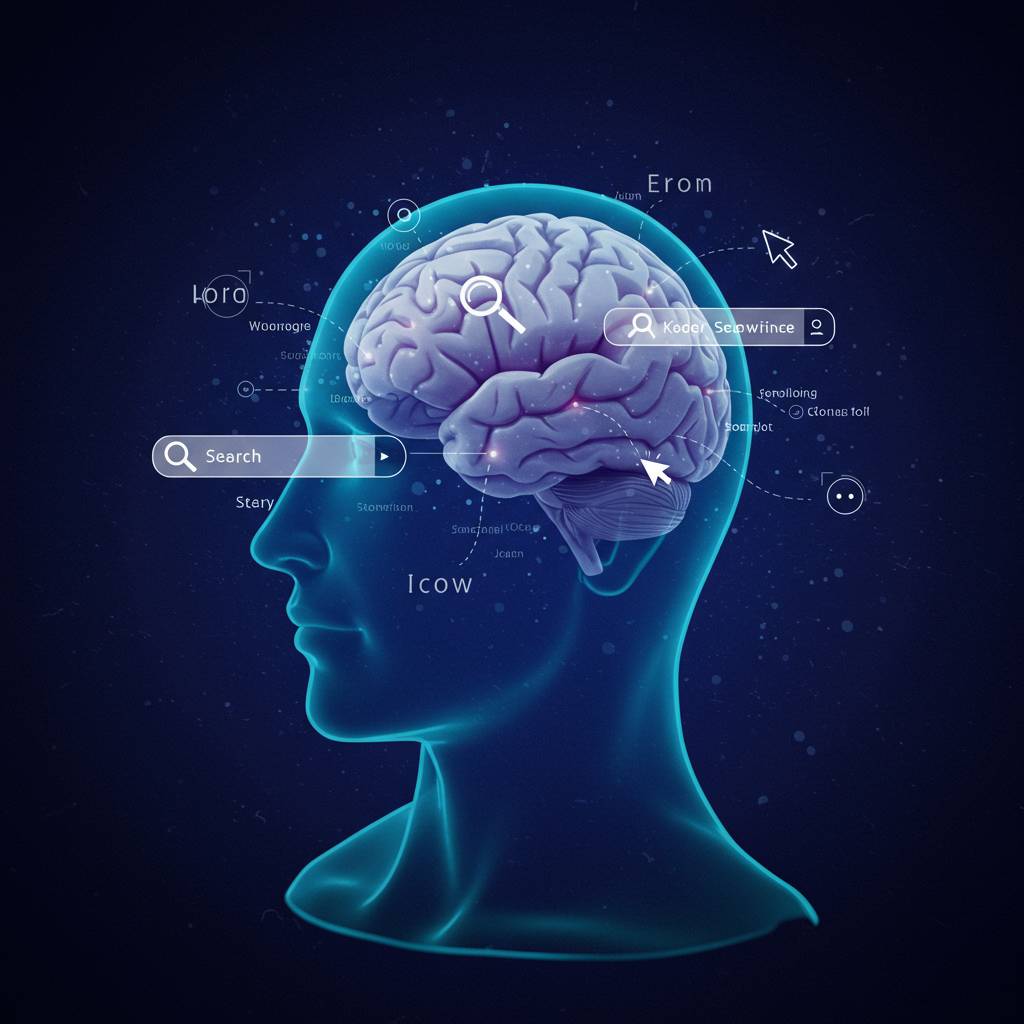
Have you ever wondered why some content ranks effortlessly while other pieces struggle to gain traction, despite following all the “best practices”? The secret lies not in algorithms alone, but in the fascinating intersection of psychology and SEO. Today’s digital landscape demands more than keyword optimization—it requires a deep understanding of human behavior and decision-making patterns.
The most successful SEO professionals aren’t just technical experts; they’re skilled psychologists who understand what motivates clicks, encourages engagement, and builds lasting connections with audiences. In this comprehensive guide, we’ll explore the powerful psychological principles that can transform your content strategy from merely searchable to genuinely irresistible.
Whether you’re a seasoned marketing professional or just beginning your SEO journey, understanding these psychological triggers will give you a competitive edge that algorithms alone cannot provide. Let’s dive into the hidden mental frameworks that drive successful SEO content and discover how you can leverage these insights to dramatically improve your results.
1. 5 Psychological Triggers That Make Your SEO Content Irresistibly Clickable
Understanding the psychology behind user behavior is perhaps the most overlooked secret weapon in SEO content creation. While keywords and backlinks matter, the psychological triggers that compel users to click, read, and share your content can dramatically amplify your organic reach. Here are five powerful psychological triggers that can transform your ordinary SEO content into conversion magnets.
First, the curiosity gap technique remains undefeated in driving clicks. By creating a knowledge gap between what users know and what they want to know, you trigger an irresistible desire to resolve that tension. Headlines like “The SEO Strategy That Increased Traffic by 327% (Without Touching Backlinks)” create cognitive itch that demands scratching.
Second, loss aversion psychology consistently outperforms positive messaging. Humans are wired to avoid losses more strongly than to acquire gains. Content framed around what people might miss—”Why 73% of Businesses Are Losing Rankings With This Common SEO Mistake”—generates significantly higher engagement than benefit-focused alternatives.
Third, social proof remains the silent persuader in decision-making. Incorporating statistics, expert opinions, and real-world success stories signals to readers that your content is trustworthy and valuable. Case studies from recognizable brands like HubSpot or Moz can increase perceived credibility and time-on-page metrics.
Fourth, the principle of reciprocity creates powerful engagement loops. When you provide genuinely valuable, actionable information without paywalls or excessive lead forms, users feel indebted and are more likely to reciprocate through shares, links, and conversions. Detailed, step-by-step guides that solve specific problems capitalize on this psychological principle.
Finally, the scarcity principle drives immediate action. Content that highlights limited-time insights, emerging trends before they become mainstream, or exclusive data creates urgency that overcomes the natural tendency to bookmark and forget. Phrases like “emerging data reveals” or “before this algorithm change takes full effect” tap into the fear of missing critical information.
By intentionally incorporating these psychological triggers into your SEO content strategy, you’ll not only improve click-through rates but also build deeper audience connections that search algorithms increasingly recognize and reward.
2. How Brain Science Can Double Your Organic Traffic: The Psychology of SEO Revealed
Understanding the intersection of psychology and SEO creates a powerful foundation for digital content that not only ranks well but genuinely resonates with human readers. The human brain processes information in predictable patterns, and leveraging these cognitive principles can dramatically increase your organic traffic.
First, consider the principle of cognitive fluency. Content that is easier to process mentally receives more favorable treatment from users. This translates to clean layouts, scannable text with strategic headings, and information presented in digestible chunks. When visitors can process your content effortlessly, they stay longer, reducing bounce rates and sending positive signals to search algorithms.
The psychological principle of authority bias also plays a crucial role in SEO success. Users instinctively trust content that demonstrates expertise. Incorporating research data, expert quotes, and credible sources satisfies both the E-E-A-T guidelines search engines value and the human psychological need for authoritative information.
Pattern recognition is another psychological mechanism to leverage. Humans are wired to seek familiar structures. Creating consistent content formats across your site—whether through templated how-to guides, standardized review structures, or recognizable visual hierarchies—helps users know what to expect, reducing cognitive load and increasing engagement metrics.
The Zeigarnik effect—our tendency to remember uncompleted tasks better than completed ones—can be utilized through strategic content segmentation. Breaking comprehensive guides into clearly marked sections creates cognitive “open loops” that encourage full consumption of your content. This increases time-on-page metrics while satisfying the user’s desire for complete information.
Loss aversion, where people prefer avoiding losses over acquiring equivalent gains, can transform your CTAs and meta descriptions. Framing content as solutions to problems users cannot afford to ignore (“Stop losing customers with outdated websites”) often outperforms positive-only messaging and improves click-through rates from search results.
Implementing these psychological principles is not manipulation but optimization—creating content that aligns with how human brains naturally process information. When you design SEO strategies that work with these cognitive patterns rather than against them, both search algorithms and human users reward your content with increased visibility and engagement.
3. Why Most SEO Content Fails: Psychological Insights Your Competitors Don’t Know
The digital landscape is littered with SEO content that simply doesn’t perform. While most marketers focus obsessively on keywords and backlinks, they miss a fundamental truth: human psychology drives every click, scroll, and conversion. This psychological blind spot explains why most SEO content fails to deliver meaningful results.
First, most content creators fall victim to the “curse of knowledge” – they assume their audience has the same baseline understanding that they do. This cognitive bias leads to content that either overwhelms beginners or bores experienced users. Successful SEO content bridges this gap by creating psychological scaffolding that guides readers from their current knowledge state to new insights.
Another critical failure point is misunderstanding attention economics. The human brain processes about 11 million bits of information per second but can only consciously handle about 50 bits. Most SEO content demands too much cognitive load, triggering what psychologists call “decision fatigue.” When faced with dense paragraphs and complex ideas without visual breaks, users instinctively click away.
Perhaps most damaging is the widespread neglect of emotional triggers. Neuroscientific research from institutions like Harvard and Stanford has repeatedly shown that emotional response, not logical analysis, drives decision-making. Content that fails to evoke curiosity, surprise, or anticipation struggles to create memorable experiences that lead to sharing and linking behaviors.
Many content creators also overlook the psychology of trust. With information abundance comes skepticism. Content that lacks authoritative sources, specific data points, and real-world applications trips users’ built-in “credibility detectors.” When Google’s algorithms increasingly prioritize expertise, authority, and trustworthiness (E-A-T), this psychological misstep becomes even more costly.
The most successful SEO strategists understand that format matters tremendously. They leverage principles like the primacy effect (we remember what we encounter first) and the recency effect (we remember the last things we read) to structure content for maximum psychological impact.
By understanding these psychological insights, you can transform your approach to SEO content creation while your competitors continue creating forgettable, ineffective material that never achieves its business objectives.
4. The Neuroscience of Rankings: How to Write SEO Content That Both Google and Humans Love
Creating content that ranks well in search engines while genuinely engaging human readers requires understanding the fascinating intersection of neuroscience and SEO. This delicate balance isn’t merely technical—it’s deeply psychological.
Brain scans reveal that readers make judgments about content within milliseconds. When content satisfies both algorithmic requirements and human psychological needs, it creates a powerful resonance that drives higher engagement metrics, which in turn signals quality to search engines.
The dopamine-driven reward system in our brains is activated when we discover useful information that solves our problems. Effective SEO content triggers this response by addressing search intent comprehensively while maintaining narrative flow. This is why top-ranking content often follows particular structures that mirror how our brains process information—starting with broad concepts before diving into specifics.
Cognitive fluency—the ease with which our brains process information—plays a crucial role in content effectiveness. Content with clear headings, appropriate white space, and digestible paragraphs reduces cognitive load, allowing readers to focus on substance rather than struggling with form. Google’s algorithms increasingly prioritize these user experience signals as ranking factors.
Pattern recognition is another neurological process that affects both SEO and reader engagement. Our brains are naturally drawn to recognize patterns in information hierarchy. Strategic keyword placement aligns with this tendency, creating content that feels intuitive and satisfying to both search algorithms and human readers.
Memory formation—particularly the conversion from short-term to long-term memory—occurs more effectively when information is presented with emotional relevance, storytelling elements, and practical applications. Content that facilitates this memory process earns backlinks and social shares, both powerful ranking signals.
Implementing these neuroscience principles doesn’t require sacrificing SEO fundamentals. Instead, understanding these cognitive mechanisms allows for more sophisticated content development that integrates keywords, satisfies search intent, and creates memorable reader experiences—precisely what modern search algorithms are designed to reward.
5. Emotional SEO: The Psychological Framework That Turns Visitors Into Loyal Customers
The most powerful SEO strategies don’t just capture traffic—they capture hearts and minds. Emotional SEO represents the crucial intersection between technical optimization and human psychology, creating content that doesn’t simply rank well but resonates deeply with audiences.
Research from the Nielsen Norman Group shows that users form emotional connections with websites within milliseconds of arrival. These emotional responses directly influence bounce rates, time on page, and ultimately, conversion rates. When visitors feel understood, valued, and emotionally engaged, they transform from casual browsers into loyal customers.
The emotional SEO framework operates on five key psychological principles:
First, emotional mirroring allows your content to reflect the emotional state of your target audience. Whether they’re experiencing pain points, aspirations, or specific desires, your content should acknowledge these feelings. Major brands like Apple and Nike excel at this, crafting narratives that mirror customer emotions while subtly positioning their products as solutions.
Second, cognitive ease prioritizes simplicity in design and messaging. When information is easy to process, visitors experience positive emotions and associate your brand with competence and trustworthiness. Amazon’s intuitive navigation system demonstrates this principle perfectly.
Third, narrative transportation uses storytelling to reduce psychological distance between your brand and audience. When visitors become immersed in your brand story, they mentally transport themselves into your narrative, lowering defensive barriers and increasing receptivity to your message.
Fourth, reciprocity triggers create subtle psychological debts through value-first content. When you provide genuinely useful resources without immediate demands, visitors feel naturally inclined to reciprocate through engagement, subscriptions, or purchases. HubSpot built their entire business model around this principle.
Finally, belonging cues signal to visitors that they’re part of your community. Specialized language, insider references, and community showcasing create powerful tribal connections that transform one-time visitors into brand advocates.
Implementing emotional SEO requires a strategic balance. Content must satisfy search algorithms while prioritizing these human psychological needs. This dual-optimization approach represents the future of SEO—where technical excellence meets emotional intelligence to create experiences that don’t just rank well but resonate deeply.

0件のコメント